
Water extraction and controlled demolition
We remove standing water and, when required, perform careful tear-out of saturated drywall, insulation, baseboards, or flooring so hidden moisture is not left behind.
Serving Roseville, California & surrounding areas
24/7 Emergency Response
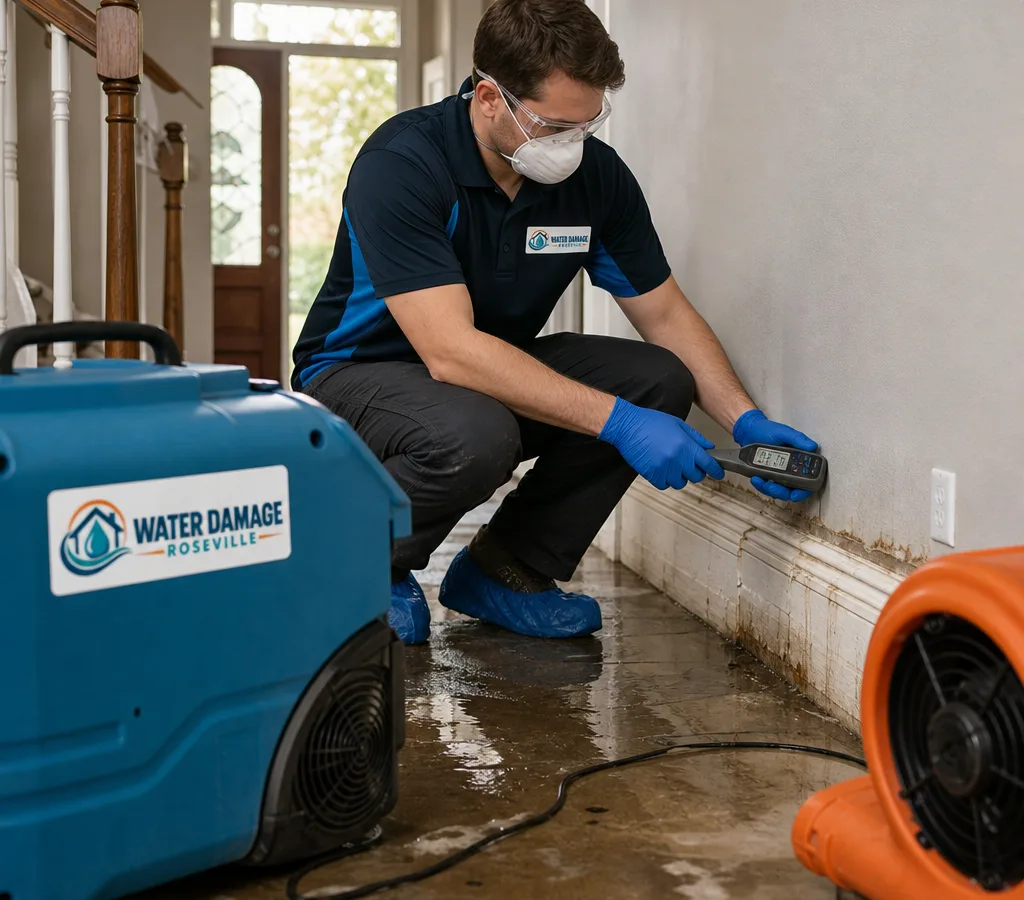
Water damage restoration in Roseville
When water gets into floors, drywall, or cabinets, time matters. Get a rapid on-site assessment, professional drying, and a clear restoration plan to prevent further damage and get your property back to normal.
Fast, thorough water damage cleanup for Roseville homes and businesses
If you are searching for water damage restoration Roseville property owners can rely on, you are likely dealing with an active leak, a flooded room, or water that has already soaked into building materials. Water moves fast: it wicks up drywall, spreads under flooring, and collects in wall cavities where you cannot see it.
Water Damage Roseville provides water damage restoration in Roseville, CA for residential and light commercial properties. We focus on finding and stopping the source when possible, extracting standing water, setting up professional drying, tracking moisture until materials reach a safe dry standard, and completing cleanup so the space can be repaired.
Roseville has a mix of newer slab-on-grade homes and older construction with layered flooring and multiple remodels. Water can become trapped under floating floors, in toe-kicks, behind baseboards, and between subfloor layers. We document what is wet, explain what needs removal versus drying in place, and keep you informed day by day.
For an overview of who we are and how we operate locally, you can also get acquainted with Water Damage Roseville CA.
Complete restoration support
We remove standing water and, when required, perform careful tear-out of saturated drywall, insulation, baseboards, or flooring so hidden moisture is not left behind.
Air movers, dehumidifiers, and targeted airflow plans are set based on the materials affected. We return to check readings and adjust equipment until drying goals are met.
We use non-invasive meters and, when needed, thermal imaging to identify wet areas. You get a clear picture of what was affected and what was done.
If the loss involves grey or black water risk, we use appropriate cleaning and antimicrobial steps to reduce bacteria and odor issues before rebuild work starts.
We can help move and protect furniture and personal items in the work zone so drying can be done correctly and damage does not spread.
Once the structure is dry and stable, we help outline the next steps so repairs can move forward without guesswork or repeat moisture problems.
Protect the structure
A mop-up and a few fans rarely solve water damage. Materials like drywall and MDF swell and lose strength. Hardwood and laminate can cup when moisture remains underneath. And when water sits in dark cavities, microbial growth becomes a real risk.
Our water damage restoration process is built around moisture verification. We do not stop at what looks dry on the surface. We check likely pathways under baseboards, behind cabinets, around plumbing penetrations, and at transitions between rooms. In many Roseville homes, water also migrates into adjacent spaces through shared wall plates and continuous flooring, so we map beyond the obvious wet spot.
You will get straightforward recommendations about what can be dried in place, what should be removed to allow airflow, and what should be replaced because it will not perform the same after saturation. The goal is a clean, dry structure ready for repairs—not a lingering moisture problem that appears weeks later.
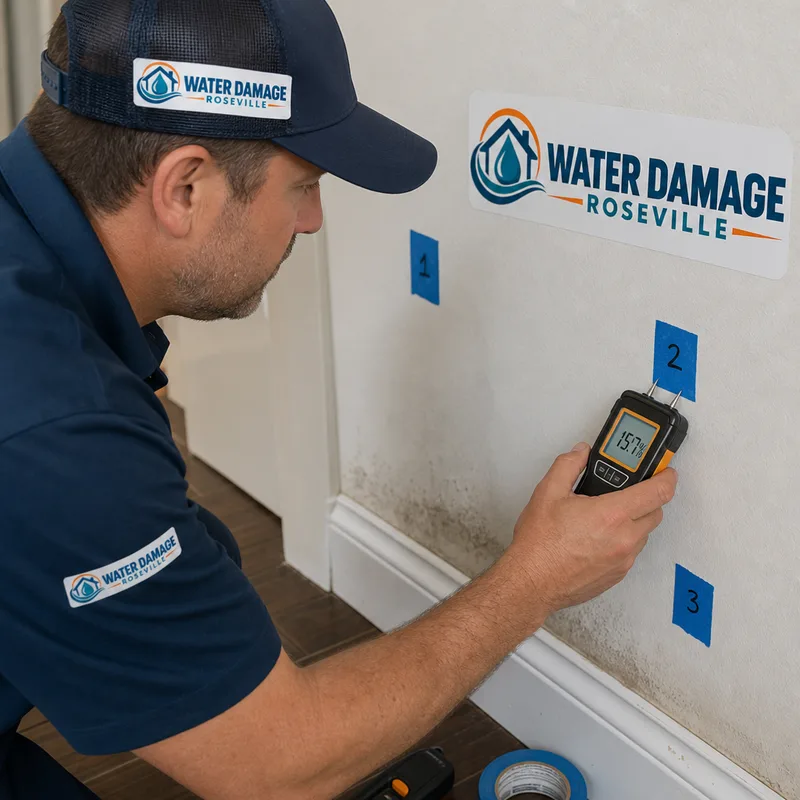
Assessment through repair readiness
We assess safety, identify the water category when possible, and help isolate the source so the loss does not continue. If a plumber is needed, we can advise what information to provide so repairs happen quickly.
We document affected materials and likely hidden wet areas, including wall cavities, subfloors, and cabinet bases. You receive a clear scope so you know what the drying plan involves.
Standing water is removed first. If drywall, insulation, or flooring cannot be dried safely, we remove only what is needed to open the assembly and avoid unnecessary demolition.
We place dehumidifiers and air movers based on psychrometrics and material type. We return to monitor progress, record moisture readings, and adjust the plan as conditions change.
After drying goals are met, we clean affected areas as appropriate and outline the next repair steps so rebuild work starts on a dry, stable structure.
Planning your restoration
Water damage restoration in Roseville typically ranges from about $1,200 to $6,500 for common residential losses, with larger floods and multi-room tear-out sometimes running $10,000 or more. A smaller affected area with straightforward drying is usually at the low end, while jobs needing demolition, antimicrobial cleaning, and several days of equipment sit higher.
Final cost depends on the category of water, how far moisture spread—including under flooring and inside walls—how long it sat, access, and what materials must be removed and replaced. The exact scope is confirmed after an on-site inspection and moisture mapping.
“A supply line leaked under our kitchen sink and we had water under the flooring before we even noticed. They found wet areas past the visible spot, set up drying the same day, and kept checking readings until everything tested dry. The documentation made the next repair steps much easier.”
“After a bathroom overflow, the smell started a couple days later and we were worried it was in the walls. The team explained what had to be opened up, what could be dried in place, and why. It was clean, organized work and the room was ready for repairs without lingering dampness.”
Answers before work begins
You should start as soon as the water source is stopped because moisture spreads under flooring and into drywall quickly. Even if the surface looks dry, water can remain in subfloors and wall cavities, which can lead to swelling, odors, and microbial growth. An early inspection with moisture mapping usually reduces how much material has to be removed.
Stop the water at the shutoff if it is still leaking, and shut off power to any wet areas if it is safe to do so. Move valuables and small items out of the affected zone, and avoid running household fans into wall openings if the water may be contaminated. Photos of the affected areas and the source can help document the loss before extraction begins.
Most drying phases take about 3 to 5 days, but timelines vary based on what got wet and how much moisture is trapped in assemblies like walls and subfloors. A saturated carpet pad or wet drywall can change the plan, and hardwood or layered flooring often takes longer to reach safe moisture levels. The reliable way to know is by tracking moisture readings over multiple visits.
No, removal depends on the water category, the material type, and whether the assembly can be dried effectively. Some clean-water losses can be dried in place with controlled airflow and dehumidification, while swollen drywall, contaminated materials, or trapped moisture under floors may require selective removal. The goal is to remove only what is necessary to dry the structure correctly.
Yes, we can provide moisture mapping notes and drying documentation that commonly supports an insurance claim. Coverage and required paperwork depend on your policy and the cause of loss, so we focus on clear job notes, photos, and the scope of work performed. If you already have an adjuster assigned, we can coordinate the work details they typically request.
Often it is, but it depends on the affected rooms, electrical safety, and whether contaminated water is involved. Drying equipment is loud and can restrict access, and removal of wet materials creates dust that should be controlled. We will tell you which areas to avoid and what precautions make sense for pets, children, and anyone with sensitivities.
Start with a clear assessment
Tell us what happened and where the water is showing up. We will schedule a fast inspection, map the moisture you cannot see, and lay out the next steps to dry, clean, and restore your Roseville property.